Product design and platform
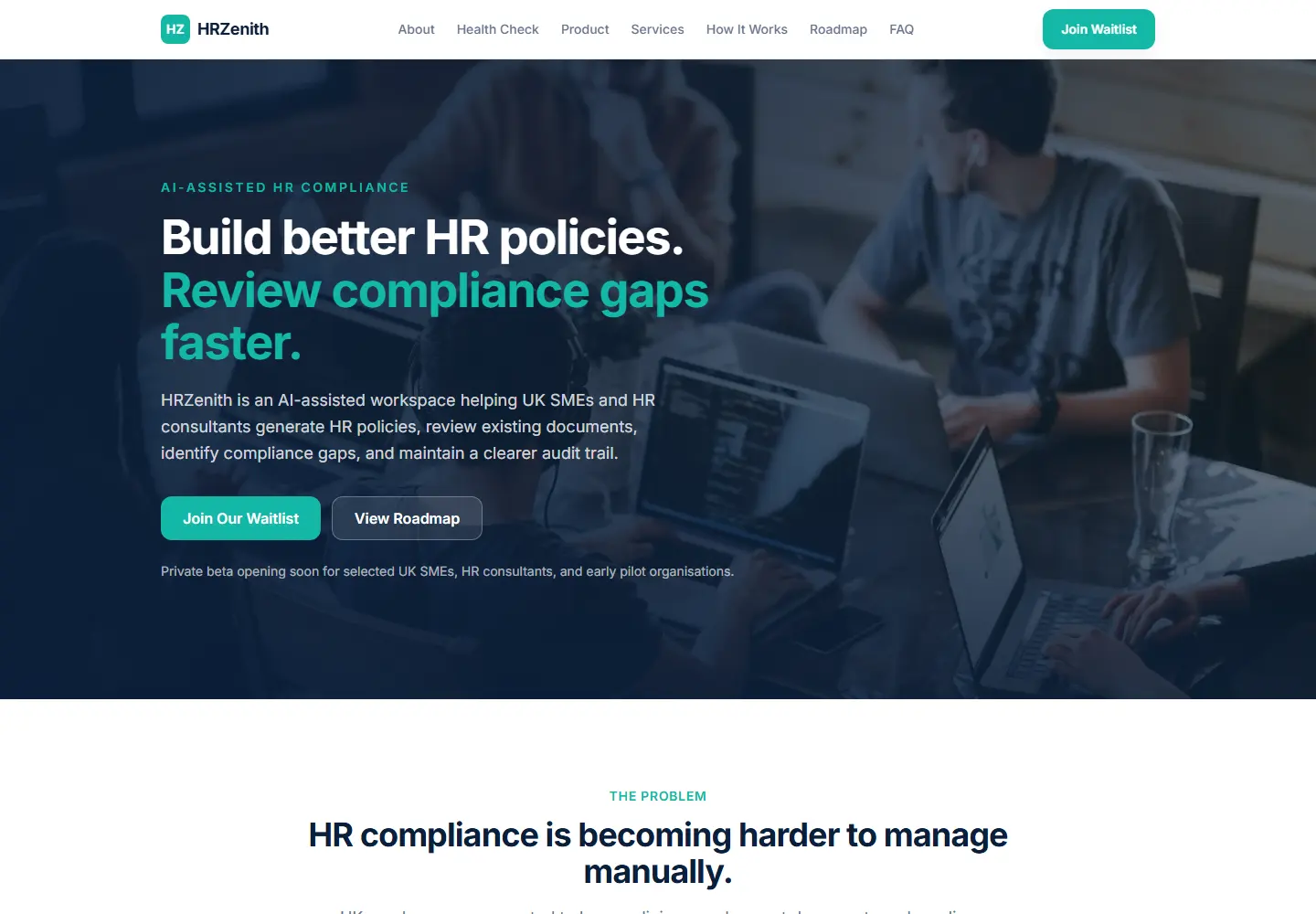
CheckMyRef
A platform for storing, managing and reusing employment references, with a brand built around clarity and trust.
Read the case studyVisit product (checkmyref.com, opens in a new tab)
AI product engineering
Many teams have tried a model in a prototype and then stalled. The demo answers questions. It does not fit the workflow, the data, or the way a customer actually finishes a task.
The other failure is the opposite: a conventional product with an AI label. A text box is added late, the rest of the system is unchanged, and nobody owns what the model is allowed to do.
AI product engineering is the work of deciding where a model helps, where rules should stay deterministic, and how a person reviews the result before it reaches a customer or a record system.
The job to be done, the user, the data you already have, and the decision the software should support. Scope stays narrow enough to ship.
What the model may read, what it may suggest, and what it must never write on its own. Prompts are treated as product behaviour, not as a one-off experiment.
Interface, API, persistence and permissions so the AI feature works inside a real product rather than a notebook.
Test cases for ordinary paths and for awkward inputs, then a deployment path the team can repeat.
Search, drafting, classification or recommendations added where users already work, without a rewrite of the whole platform.
A focused product whose main value is intelligent assistance, still backed by ordinary accounts, data and admin controls.
Software staff use every day: briefing, triage, summarising a queue, or preparing a decision for a person to confirm.
01
We write down the user, the input, the output and the cost of a wrong answer before choosing a model.
02
Interface and system design come before prompt tuning, so the model has a clear job.
03
Application code, data access and the model call are implemented as one feature, with logs a person can read.
04
We review behaviour on realistic cases, fix what fails, and release behind a path you can operate.
Web products are typically built with TypeScript, React and Next.js or a comparable modern stack, with APIs in Node.js, Laravel or PHP where that fits the existing system.
Calls stay on the server. The product defines the schema of the response, timeouts, and what happens when the model is unavailable.
We ship to cloud environments teams already use, including AWS, Google Cloud and Azure, without presenting those as partnerships.
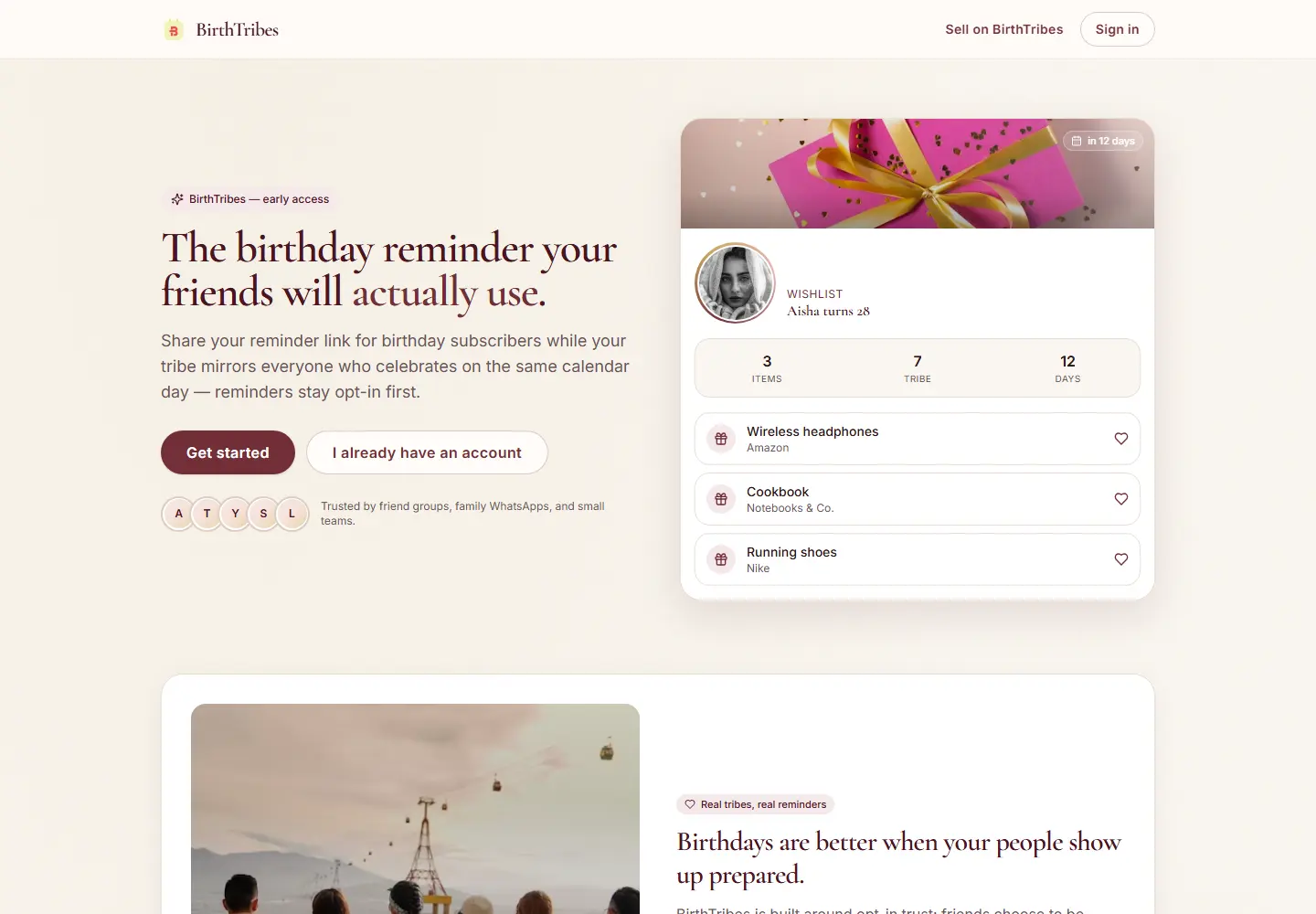
Published case studies are product builds. Where a page is about AI, these projects show how Phigz ships a complete product. They are not labelled as AI systems.
Product design and platform
A platform for storing, managing and reusing employment references, with a brand built around clarity and trust.
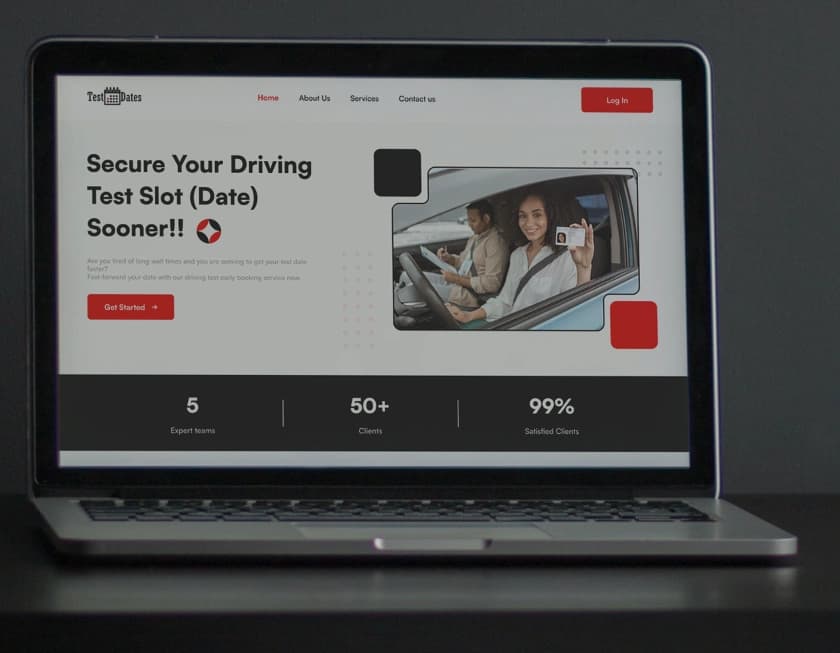
Booking product
A booking product for learner drivers looking for earlier DVSA test dates, with availability monitoring and a mobile-first interface.

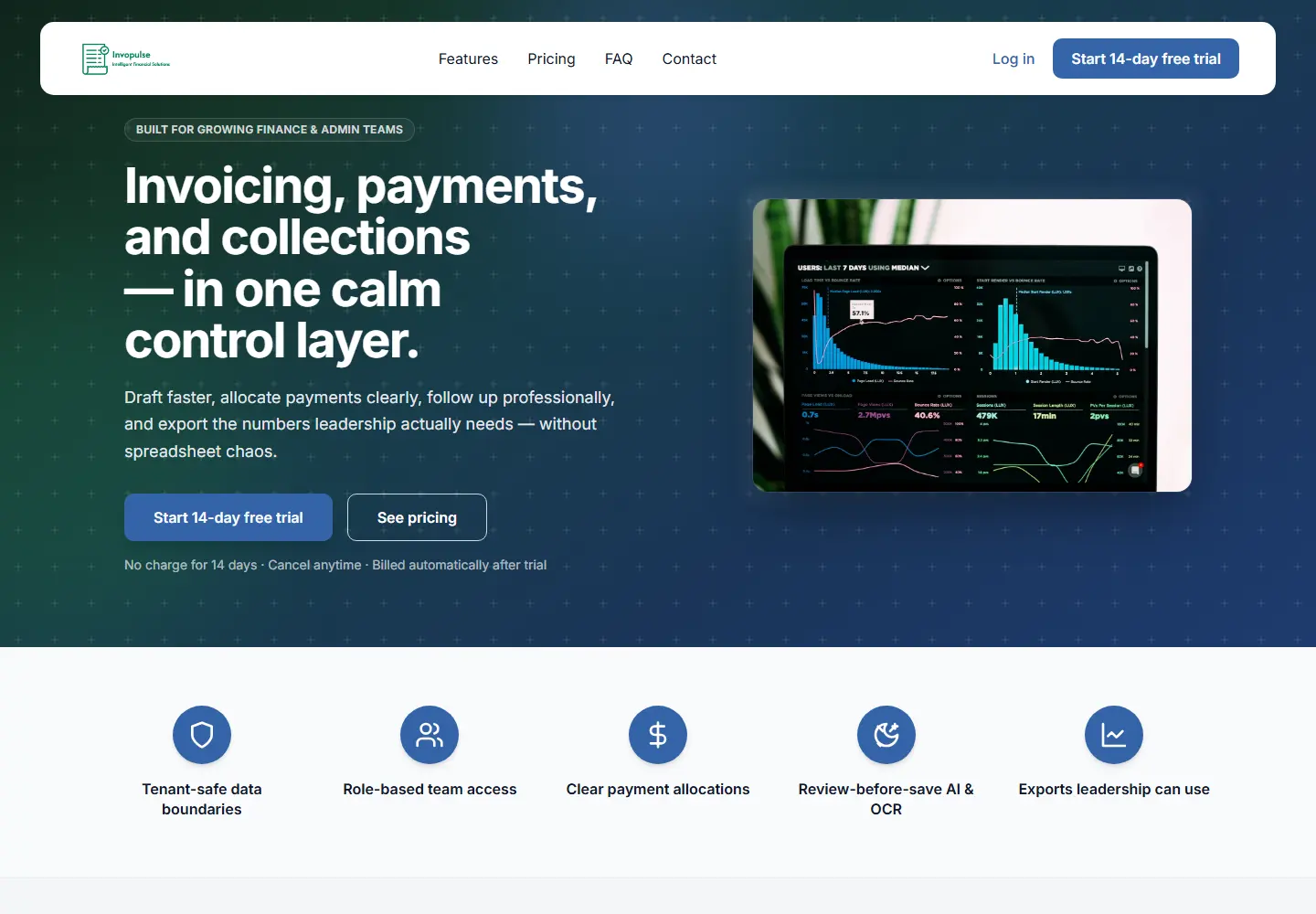
Training platform
A training and career-support platform, designed around course discovery and a visual identity in professional blue.
No. A public model may be part of the design, but the engagement covers the product around it: permissions, data, interface, failure behaviour and release.
Yes. A single well-bounded feature is often the right first release. We would rather ship one path that people use than a broad AI programme.
No. Models are probabilistic. We design review, constraints and tests so the business can see how the feature behaves and decide what is acceptable.
Next step
Tell us the product, the current state, and the outcome you need. We will reply with a straight view of whether this is the right shape of work.