Product design and platform
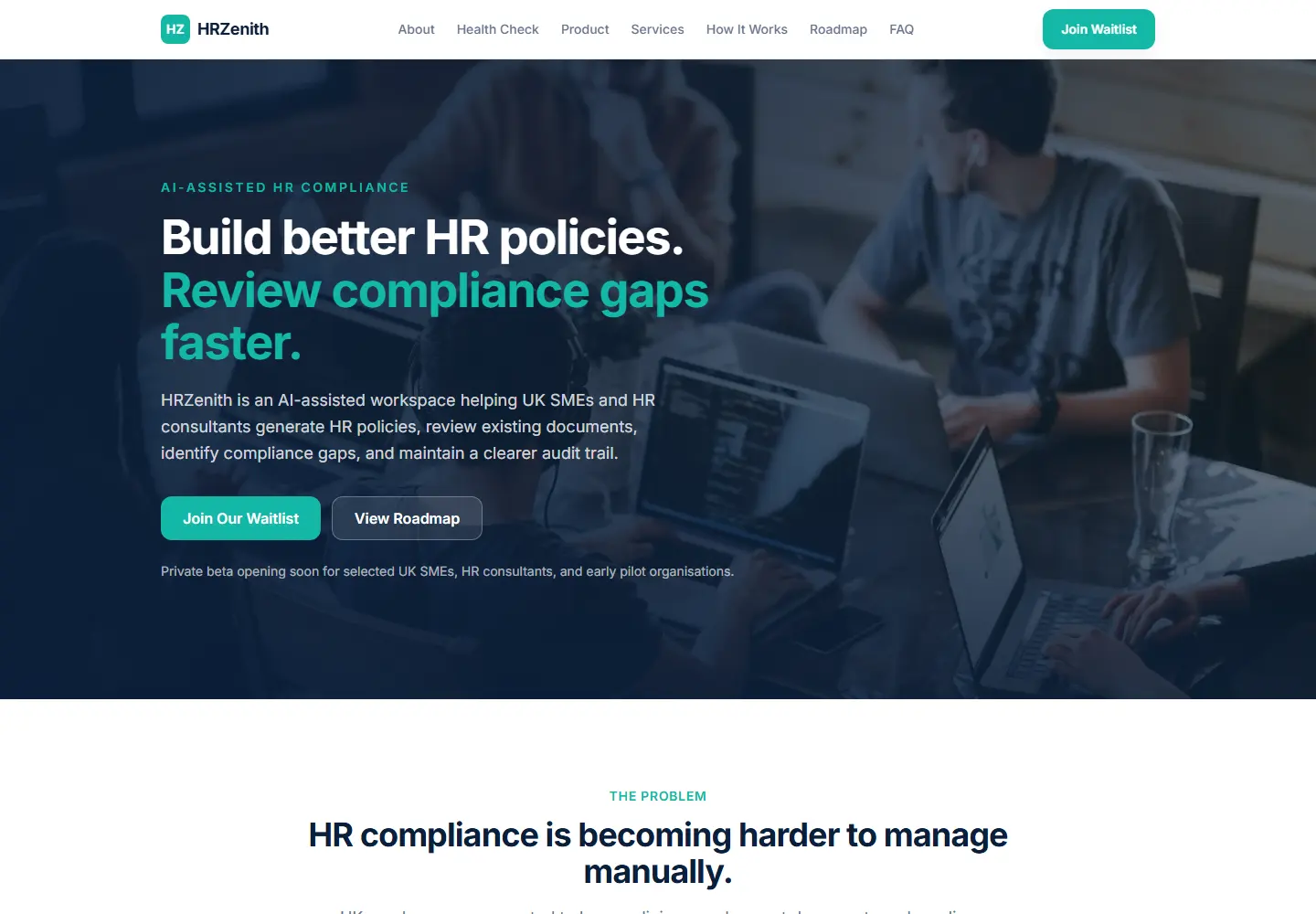
CheckMyRef
A platform for storing, managing and reusing employment references, with a brand built around clarity and trust.
Read the case studyVisit product (checkmyref.com, opens in a new tab)
SaaS and MVP development
An MVP that only proves a slide is expensive twice: once to build, and again when real users arrive and nothing can be kept.
The other trap is over-building. Teams design the company they hope to be and miss the one workflow a customer would pay for.
We cut scope in the product, not in the engineering habits. Accounts, data and deployment are real. Features that can wait, wait.
The path from signup to the outcome the product promises. Secondary ideas are listed, then left out.
Accounts, roles and separation of customer data, designed before the second customer arrives.
Enough internal tooling to see who signed up and to support them, without a second product.
Environments, a repeatable build and a list of what the next release should learn from the first users.
You can describe the user and the job. You need the product, not another workshop.
A contained SaaS-style tool for one department, built so it can be retired or expanded honestly.
We stabilise the core path and make the next features possible, instead of restarting from a blank repository.
01
We write the first version as a list of what is in, and a longer list of what is not.
02
The signup, the main task and the moment a user gets value. Edge cases that block launch are included.
03
Structure stays simple, but it is not a dead end. We avoid patterns you would have to throw away immediately.
04
The product goes to a real environment. The next slice is chosen from what users actually do.
A TypeScript web app, a server API, a database and authenticated accounts. Billing is included when the business model needs it in version one.
Custom infrastructure, speculative microservices and features for audiences you do not have yet.
If the value depends on a model, it is designed in from the start. If it does not, we will not add a chat box to look current.
Published case studies are product builds. Where a page is about AI, these projects show how Phigz ships a complete product. They are not labelled as AI systems.
Product design and platform
A platform for storing, managing and reusing employment references, with a brand built around clarity and trust.
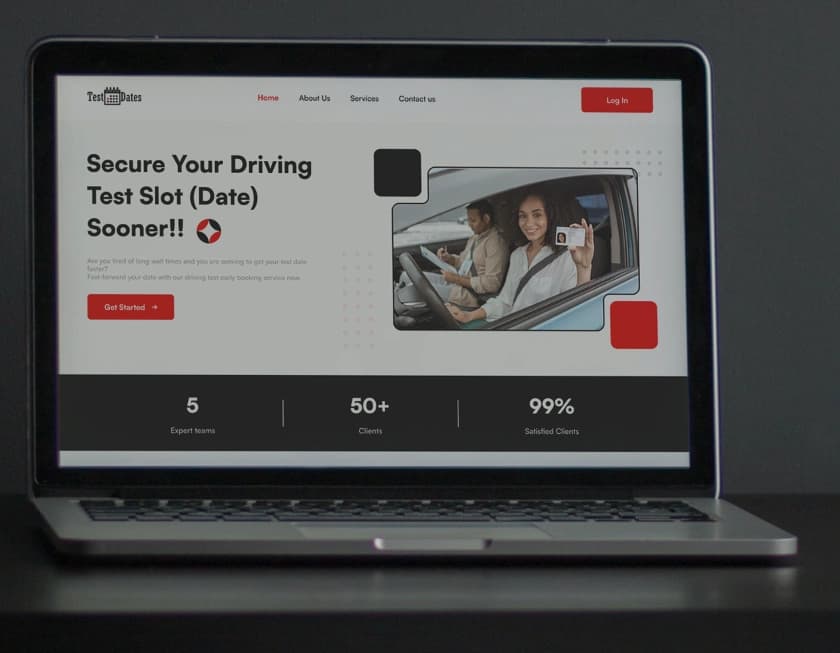
Booking product
A booking product for learner drivers looking for earlier DVSA test dates, with availability monitoring and a mobile-first interface.

Training platform
A training and career-support platform, designed around course discovery and a visual identity in professional blue.
Small enough that a specific user can finish one valuable job. We decide that boundary with you before build starts. There is no fixed page count.
Yes. We keep the product’s data and permissions clear so a later model feature has somewhere honest to live. See our note on adding AI to an existing product.
Engagements are commercial project work. We do not advertise equity-only builds.
Next step
Tell us the product, the current state, and the outcome you need. We will reply with a straight view of whether this is the right shape of work.